
Early Years
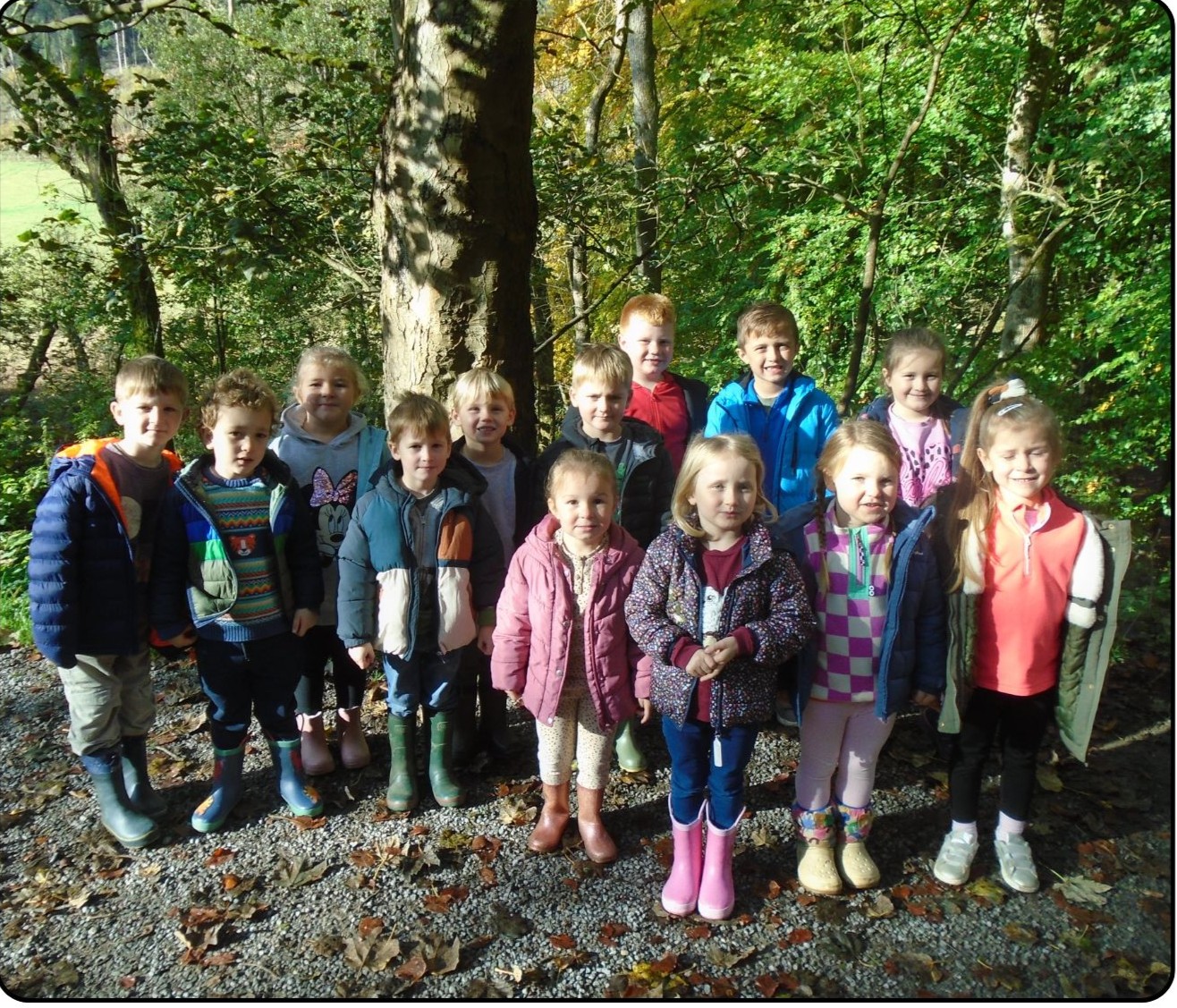
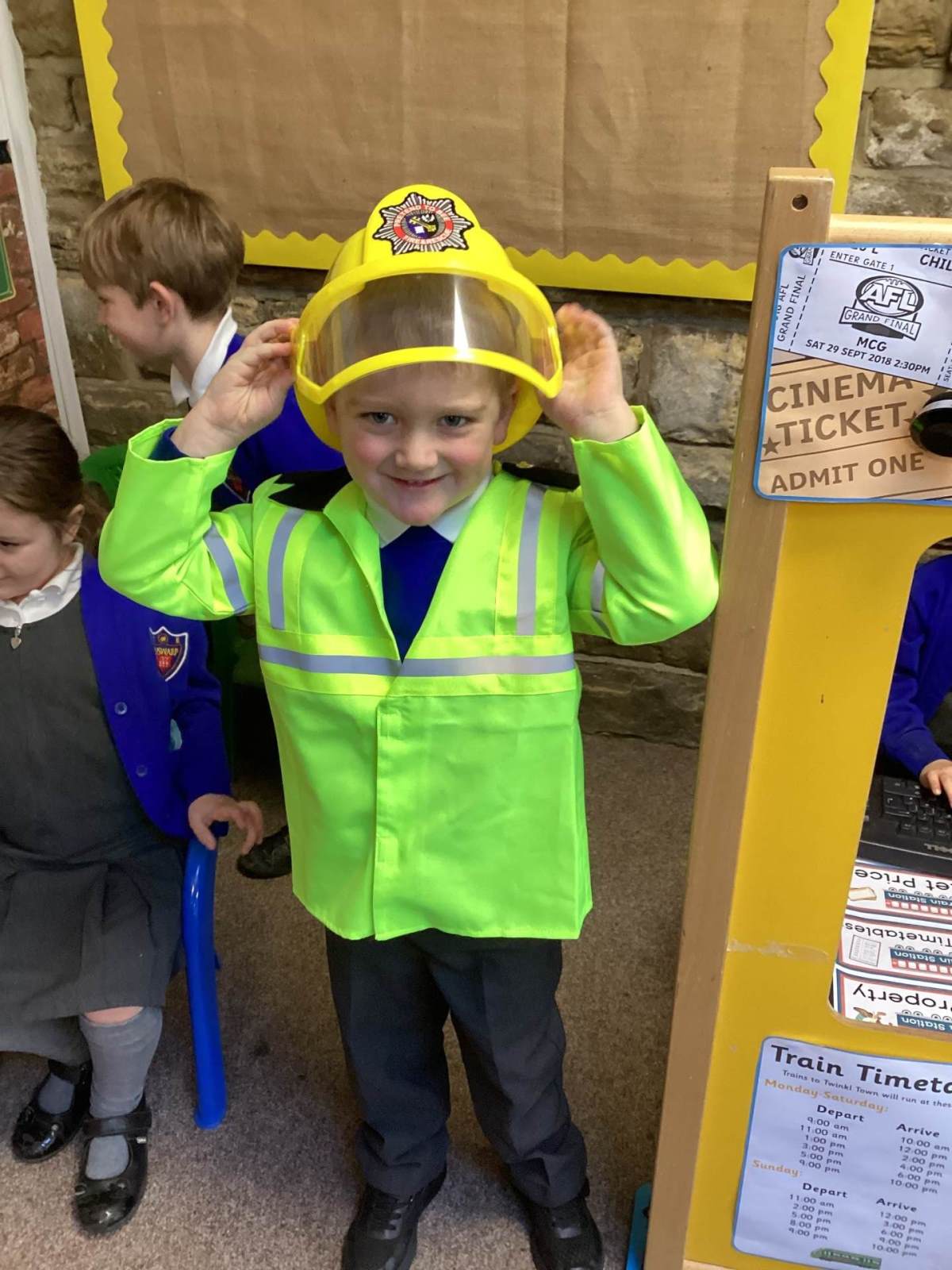
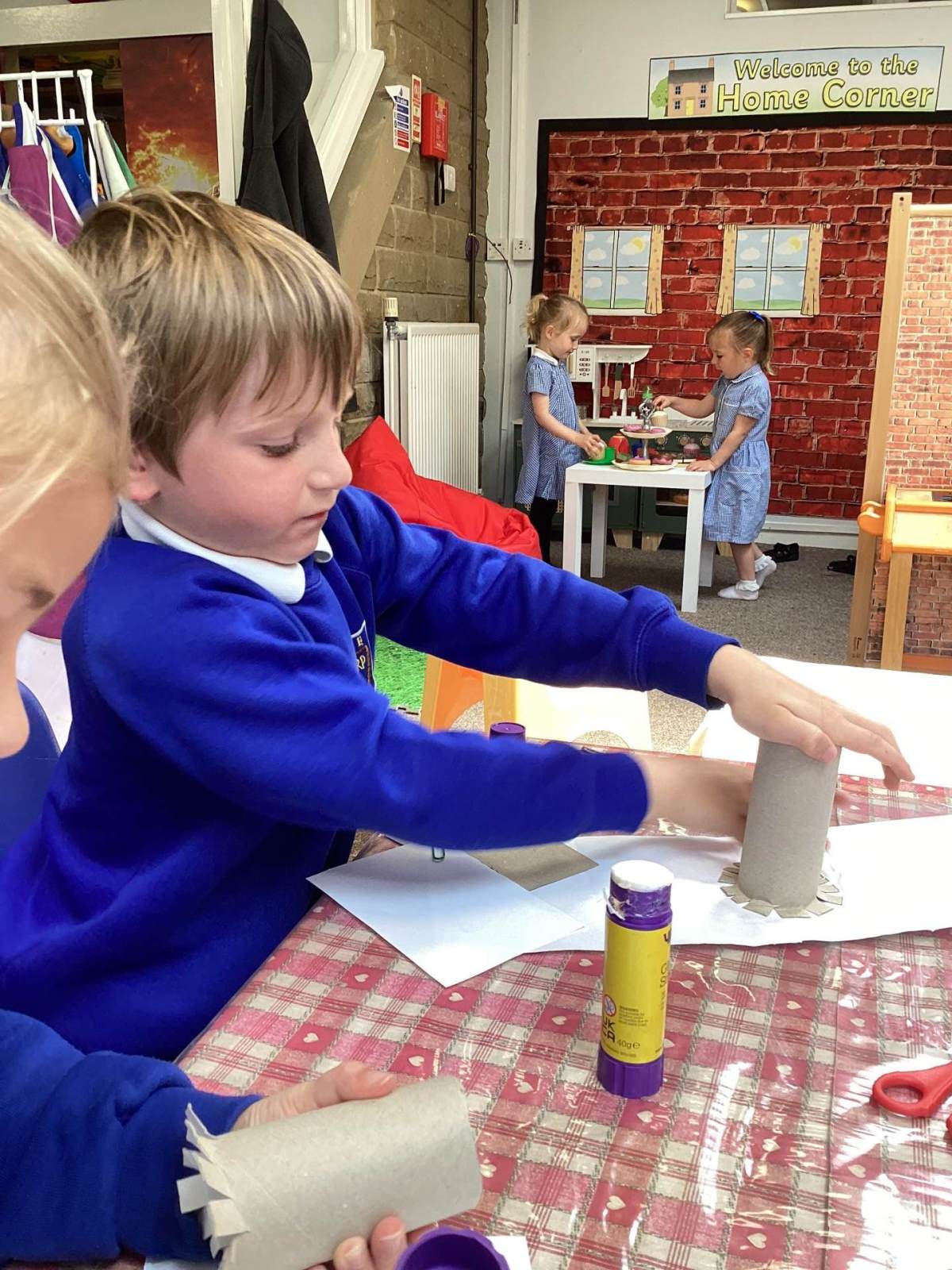
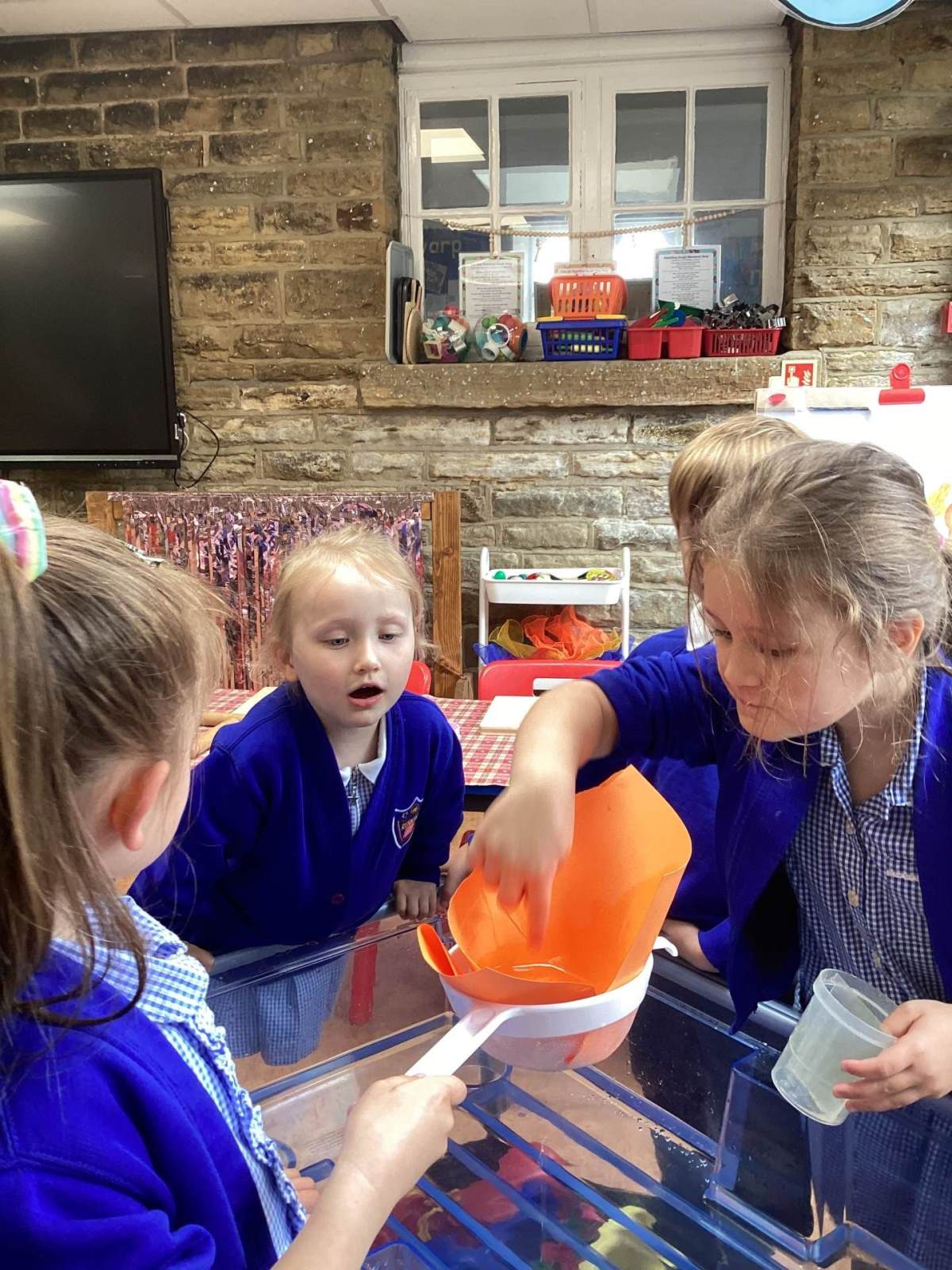
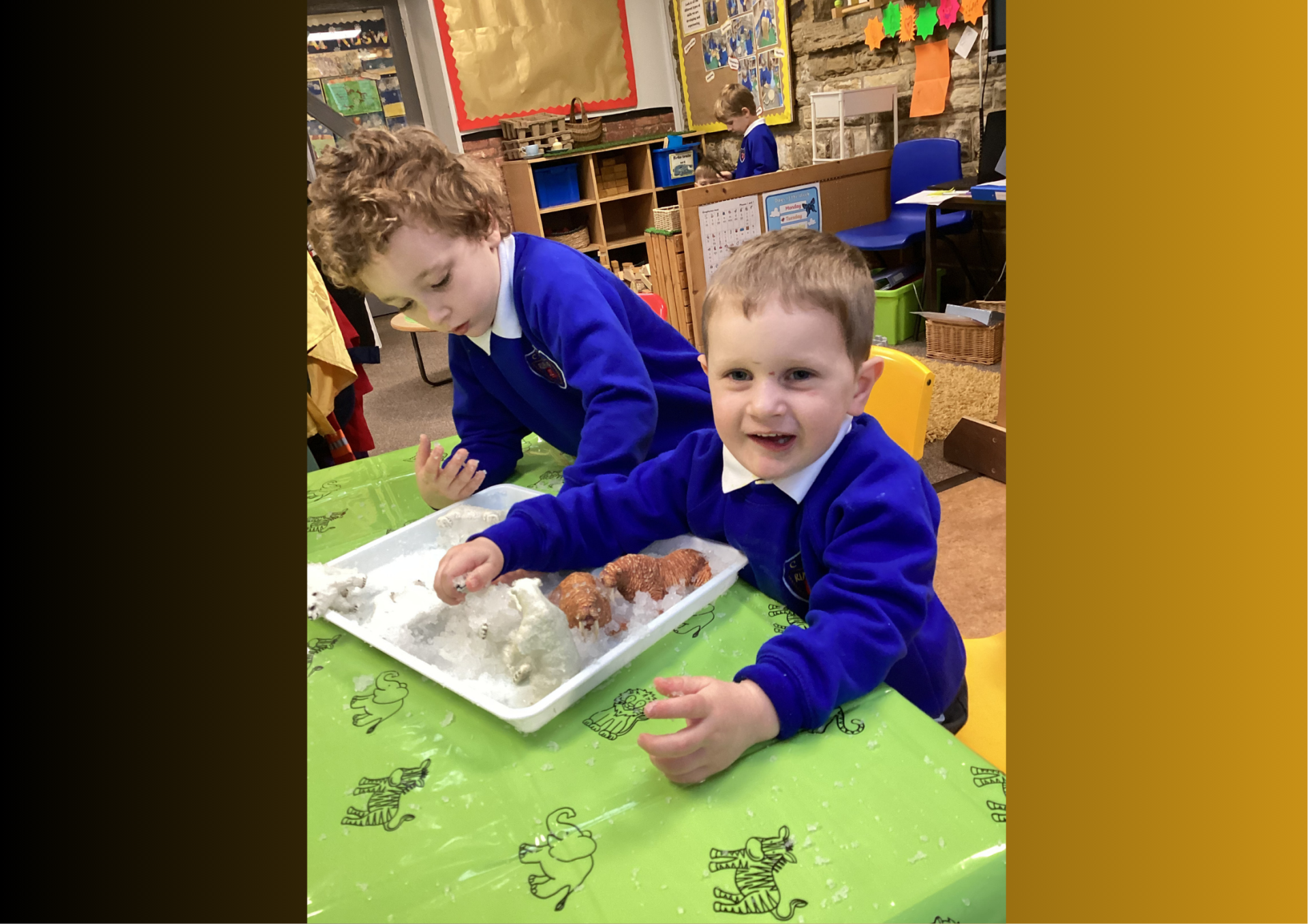
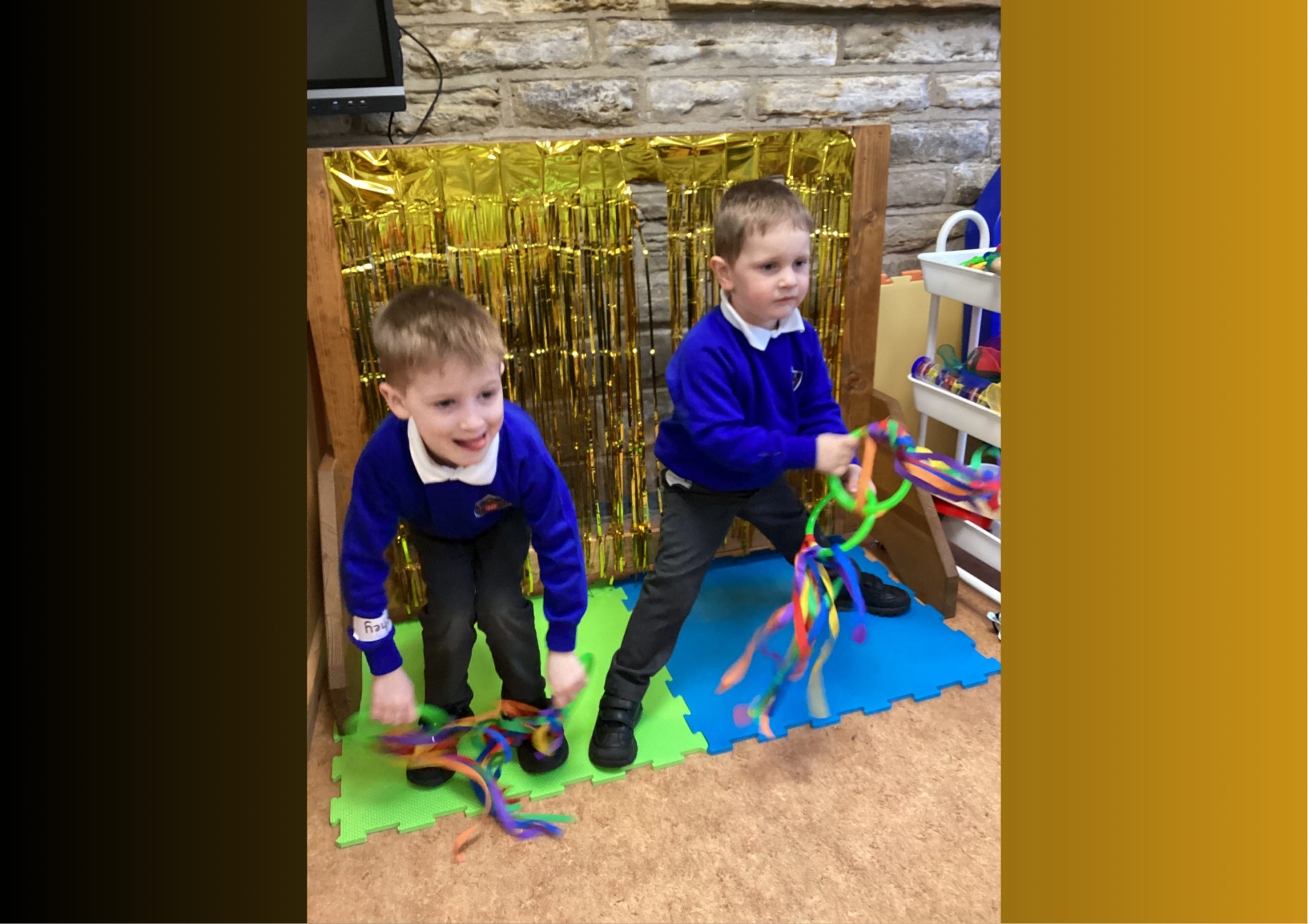
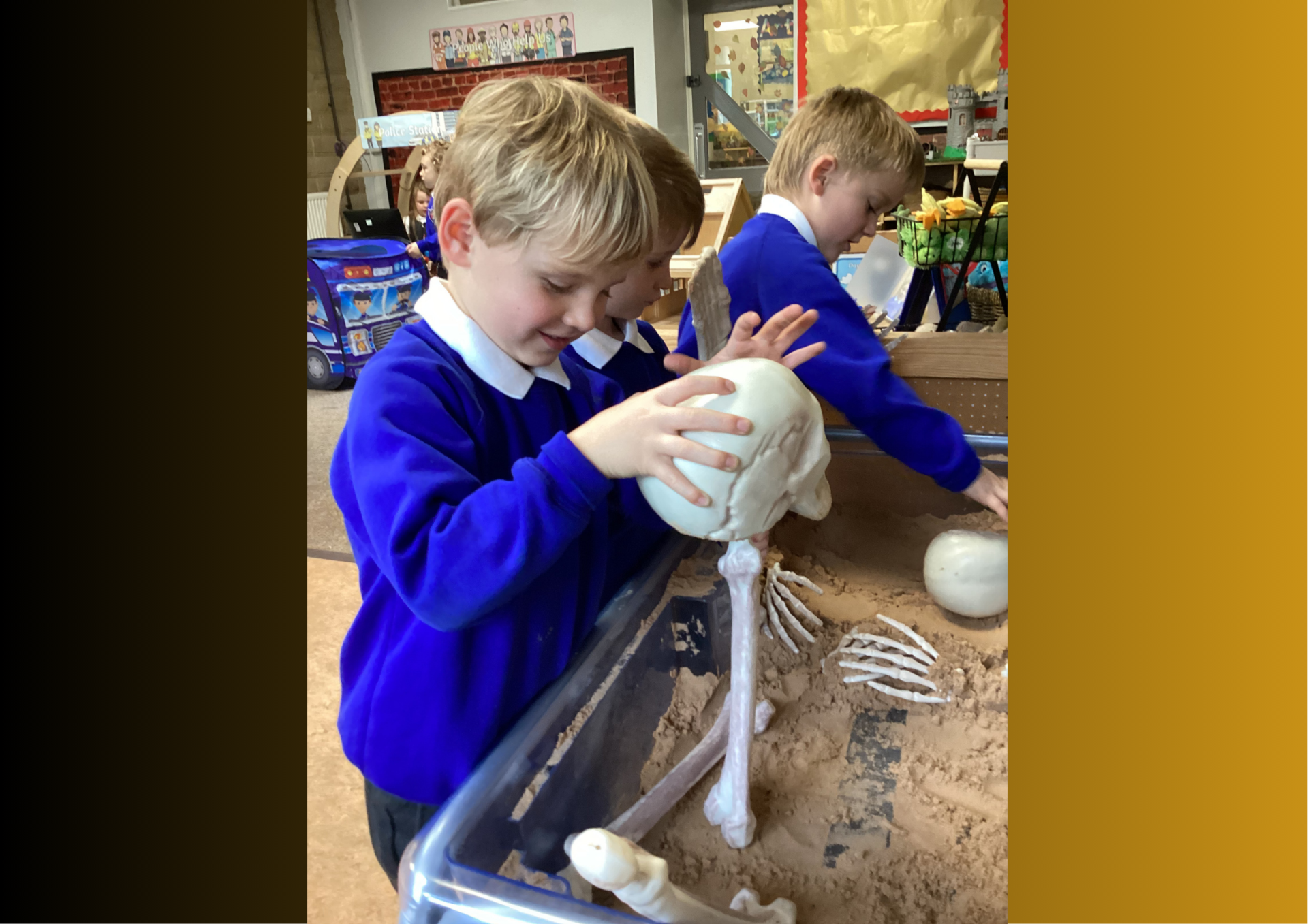
At Ruswarp Primary School we want all of our Early Years pupils to be happy, confident, well-rounded individuals who have a love of learning and exploring.
We provide all children with a safe, secure, and stimulating environment, both inside and out, that builds on individual wants, needs, and interests.
The Foundation Stage is the start of the children’s school life, and we believe that we create strong foundations for the children which embed good attitudes for learning. These foundations are the building blocks to support children on their journey through a happy and successful life in education.
In our Foundation class, the children learn the skills needed to become strong, confident individuals who are capable of learning and achieving through positive relationships, enabling environments and an understanding that every child is unique.
The four themes of the EYFS underpin all the guidance. These four themes are what the staff at Ruswarp Primary integrate into their daily practice.
Unique Child
This is based on the principle that every child is a competent learner and can be resilient, capable, and confident.
Positive Relationships
This highlights the importance of children having, loving and secure relationships with parents and carers, in order to become strong and independent.
Enabling Environments
This recognises the key role a child’s environment plays in supporting and extending their development and learning.
Learning and Development
This is based on the knowledge that children develop and learn in different ways and that all areas of learning are interconnected and equally important.
Our Staff
Our EYFS Lead is Mrs Stainthorpe and she is supported by our talented teaching assistants, Mrs Bell and Miss Greer.
Early Years Curriculum
At Ruswarp, the children in Nursery and Reception follow the Early Years Foundation Stage curriculum. Through interactive learning, children follow the curriculum areas to build up key basic skills in the seven areas of learning.
Teachers carefully observe children to understand what they can do and how children are learning. They use this information to plan the next steps in their learning. Whenever possible, the children’s interests are used to inspire and engage deep learning. Learning takes place indoors and outdoors, in all weathers and teaching can be direct in small or large groups, guided by the teacher or sometimes independent in response to a specific task or learning opportunity.
These lessons and learning opportunities are planned to ensure children can apply their basic skills confidently and prepare them for the later stages of schooling in Year 1.
Seven Areas of Learning
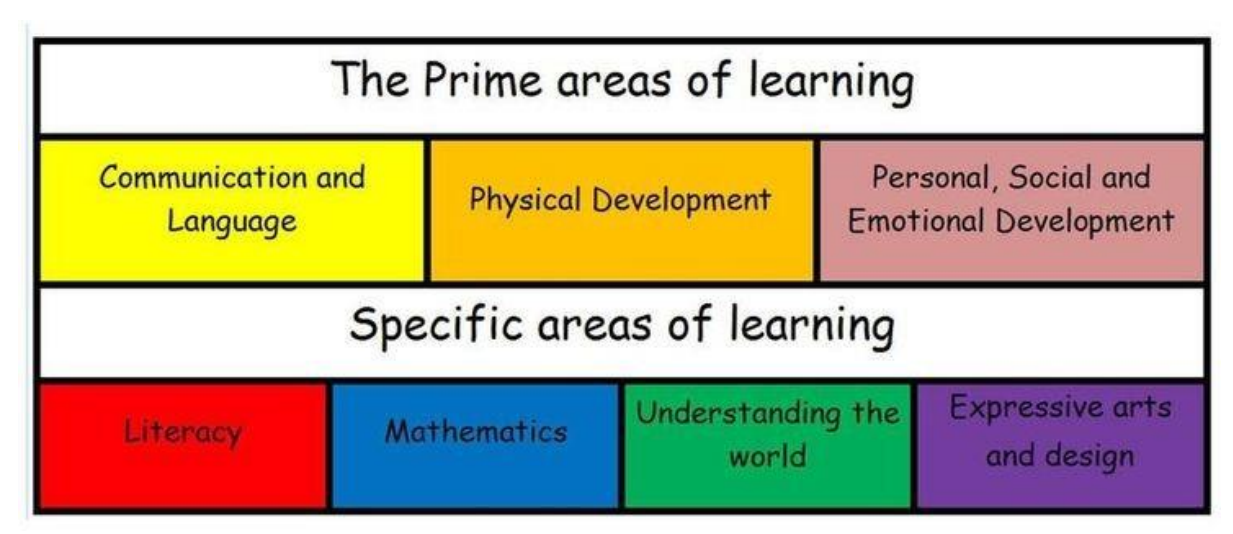 The children at Ruswarp are introduced to new ideas and further thinking through the seven areas of learning and development. The first three are known as the Prime Areas and they develop quickly in response to relationships and experiences. These areas support and scaffold the four specific areas, which include essential skills and knowledge to ensure that children have the best possible start to their learning journey.
The prime areas are Personal, Social and Emotional Development, Physical Development and Communication and Language. These are fundamental because they work together to support development in the other areas. The developmental statements in these areas help practitioners to identify and plan for the children’s individual interests and abilities.
Personal, Social and Emotional Development
This area looks at supporting children to develop a sense of themselves, social skills and respect for others and a positive disposition to learn. Children’s emotional well-being also needs to be supported in order to help them understand and manage their feelings and behaviour.
Physical Development
This area looks at supporting children in using their senses and bodies to explore the world around them and make connections between new and existing knowledge. They should have the chance to be active and interact with things to improve their skills of coordination, control, manipulation, and movement. Children also need to develop an understanding of healthy living practices.
Communication and Language
This area looks at supporting children’s developing competence in listening and understanding as well as speaking and communicating. Children should be given opportunities to build these skills and gain the confidence to use them in a range of situations.
Literacy
This area focuses on learning the skills needed for reading and writing.
Mathematics
This area looks at supporting children to develop their understanding of numbers, calculating, shapes, space, and measures.
Understanding the World
This area looks at supporting children in developing the knowledge, skills and understanding to help them make sense of their world. They should be able to explore creatures, people, plants, and objects and undertake practical experiments.
Expressive Arts and Design
This area looks at supporting children in developing their creativity by providing a range of opportunities, materials, and media in which to express themselves and use their imaginations. The children should be encouraged to explore and share their thoughts, feelings, and ideas.
These skills, experiences and learning opportunities are presented to the children through meaningful play contexts and adult led activities which ensure that each child has the opportunity to develop their own characteristics of effective learning.
The Characteristics of Effective Learning and the prime and specific reas of learning and development are all interconnected and all staff in the EYFS have a deep understanding of how each child learns and is able to tailor the teaching experiences appropriately.